Zinc for Prostate Health :Zinc is far more than just another mineral on the supplement shelf. For men concerned about prostate health, zinc represents one of the most critical nutrients for maintaining optimal prostate function throughout life. This essential trace mineral plays multiple vital roles in prostate tissue, and understanding its importance can help men make informed decisions about their long-term wellness strategy.
Understanding Zinc’s Unique Role in the Prostate
The prostate gland contains higher concentrations of zinc than virtually any other soft tissue in the human body. This remarkable accumulation isn’t accidental but reflects zinc’s fundamental importance to normal prostate function. Healthy prostate tissue can contain zinc concentrations up to ten times higher than other organs, highlighting just how critical this mineral is for prostate wellness.
Zinc serves multiple essential functions within prostate cells. It acts as a cofactor for numerous enzymes involved in cellular metabolism, supports proper DNA synthesis and repair, regulates hormone metabolism within prostate tissue, provides antioxidant protection against cellular damage, supports immune function to protect against infection, and helps maintain healthy cell division and growth patterns.
When zinc levels become inadequate, these protective and regulatory functions become compromised, potentially contributing to various prostate concerns that become increasingly common as men age.
Zinc Deficiency and Prostate Health
Research has established clear connections between zinc deficiency and prostate problems. Studies comparing zinc levels in healthy prostate tissue versus problematic tissue consistently show significantly lower zinc concentrations in compromised prostate glands. This depletion appears to play a role in the development of benign prostatic hyperplasia (BPH) and other prostate concerns.
Several factors contribute to declining zinc levels in prostate tissue as men age. Natural age-related changes reduce the prostate’s ability to accumulate and retain zinc. Dietary zinc intake often decreases with age as appetite and food variety decline. Absorption efficiency decreases in older adults due to changes in digestive function. Certain medications commonly taken by older men can interfere with zinc absorption. Chronic health conditions can increase zinc requirements or reduce absorption.
The consequences of inadequate zinc extend beyond the prostate itself. Zinc deficiency affects immune function, wound healing, taste and smell perception, skin health, cognitive function, and testosterone production. For men already concerned about prostate health, ensuring optimal zinc status becomes even more important.
How Zinc Protects Prostate Health
Zinc’s protective effects on the prostate occur through multiple interconnected mechanisms that work together to maintain healthy tissue function.
Regulation of Cellular Growth
One of zinc’s most important roles involves regulating cell division and growth within prostate tissue. Zinc helps activate proteins that control the cell cycle, ensuring that cells divide at appropriate rates and stop dividing when necessary. This regulatory function helps maintain healthy prostate size and prevents the excessive cellular proliferation characteristic of BPH.
Research indicates that adequate zinc levels help prostate cells maintain normal growth patterns. When zinc becomes depleted, these regulatory mechanisms weaken, potentially contributing to the uncontrolled cell division that leads to prostate enlargement.
Antioxidant and Anti-inflammatory Actions
Prostate tissue faces constant oxidative stress from normal metabolic processes and environmental factors. Zinc serves as a crucial component of antioxidant enzymes that neutralize harmful free radicals before they can damage cellular structures. The mineral also helps maintain levels of other important antioxidants like vitamin E within prostate cells.
Additionally, zinc exhibits anti-inflammatory properties that help reduce chronic inflammation in prostate tissue. Since chronic inflammation is now recognized as a contributing factor to various prostate problems, zinc’s anti-inflammatory effects provide important protective benefits.
Hormonal Balance and Metabolism
Zinc plays essential roles in hormone metabolism within the prostate gland. The mineral influences the activity of enzymes that convert testosterone to more potent forms like dihydrotestosterone (DHT). Proper zinc levels help maintain balanced hormone metabolism, preventing excessive DHT accumulation that contributes to prostate enlargement.
Zinc also supports healthy testosterone production in the testes while helping regulate how testosterone and its metabolites affect prostate tissue. This dual action helps maintain the delicate hormonal balance essential for prostate wellness.
Immune Function and Infection Prevention
The prostate gland is vulnerable to bacterial infections that can cause acute or chronic prostatitis. Zinc supports immune cell function throughout the body, including within prostate tissue. Adequate zinc levels enhance the ability of immune cells to identify and eliminate bacteria before infections become established.
Men with chronic prostatitis often show depleted zinc levels in their prostate fluid, suggesting that zinc deficiency may contribute to susceptibility to prostate infections. Maintaining optimal zinc status provides important protection against these painful and potentially serious conditions.
Scientific Evidence Supporting Zinc for Prostate Health
Numerous research studies have investigated zinc’s role in prostate health, providing compelling evidence for its importance.
Clinical Studies on Zinc and BPH
Research examining zinc supplementation for BPH symptoms has produced encouraging results. One study found that men with BPH who took zinc supplements experienced improvements in urinary flow rate and reduced prostate size over several months. Another investigation showed that combining zinc with saw palmetto enhanced the benefits compared to saw palmetto alone, suggesting synergistic effects.
Population studies have revealed that men with higher dietary zinc intake have lower rates of prostate enlargement and fewer urinary symptoms. While these observational studies don’t prove causation, they support the connection between adequate zinc status and prostate health.
Zinc Levels in Prostate Tissue
Researchers have consistently found that problematic prostate tissue contains significantly less zinc than healthy tissue. Some studies report zinc concentrations in affected prostates to be 60-70% lower than in normal prostate tissue. This dramatic depletion suggests that maintaining adequate zinc levels throughout life may help preserve prostate health.
Interestingly, the outer regions of the prostate (peripheral zone) where most problems develop show the greatest zinc depletion. This observation has led researchers to investigate whether targeted zinc supplementation might help restore protective zinc levels in vulnerable areas of the gland.
Long-term Observational Research
Large population studies tracking men’s health over many years have provided valuable insights into zinc’s role in prostate wellness. Men with consistently higher zinc intake from food and supplements show better long-term prostate health markers compared to men with lower zinc consumption.
These long-term studies suggest that maintaining adequate zinc status throughout adult life, rather than only supplementing after problems develop, offers the greatest protective benefits for prostate health.
Optimal Zinc Dosing for Prostate Support
Determining the ideal zinc dose for prostate health requires balancing effectiveness with safety, as excessive zinc intake can cause problems of its own.
Recommended Intake Levels
The Recommended Dietary Allowance (RDA) for zinc in adult men is 11 mg daily. However, many prostate health experts suggest that men concerned about prostate wellness may benefit from higher intakes in the range of 15-30 mg daily from combined dietary and supplemental sources.
For men with documented zinc deficiency or significant prostate symptoms, some practitioners recommend therapeutic doses up to 50 mg daily for limited periods, typically followed by maintenance doses of 15-30 mg daily. However, long-term intake above 40 mg daily should only be undertaken under medical supervision due to potential risks.
Timing and Absorption Considerations
Zinc absorption can be significantly affected by when and how you take supplements. For optimal absorption, consider taking zinc supplements with a small meal containing some protein and fat, but avoid taking zinc with high-fiber foods or calcium-rich meals that can interfere with absorption. Separate zinc supplements from iron supplements by at least two hours, as these minerals compete for absorption. Take zinc supplements at least two hours before or after antibiotics in the tetracycline or quinolone families.
Some men experience mild nausea when taking zinc on an empty stomach. If this occurs, always take zinc with food, which typically resolves the issue while still providing good absorption.
Signs of Excessive Zinc Intake
While zinc is essential, too much can cause problems. Signs that you may be taking excessive zinc include nausea and vomiting, loss of appetite, stomach cramps and diarrhea, headaches, reduced immune function (paradoxically), and copper deficiency symptoms with very high long-term intake.
If you experience these symptoms while taking zinc supplements, reduce your dose and consult with a healthcare provider. Blood tests can assess both zinc and copper status to ensure proper balance.
Best Forms of Zinc for Prostate Health
Not all zinc supplements are created equal. Different chemical forms of zinc vary significantly in their absorption and bioavailability.
Highly Bioavailable Forms
Zinc picolinate is often considered the most bioavailable form of zinc, as the picolinic acid binds zinc in a form that’s easily absorbed by intestinal cells. Studies suggest absorption rates of 20-25% or higher with zinc picolinate.
Zinc citrate offers excellent absorption and is generally well-tolerated with minimal digestive side effects. This form dissolves easily and provides good bioavailability at a reasonable cost.
Zinc glycinate consists of zinc bound to the amino acid glycine, creating a chelated form that’s gentle on the stomach and well-absorbed. This form is particularly good for men who experience digestive discomfort with other zinc supplements.
Zinc monomethionine is another chelated form that shows high bioavailability and good tolerance. Research suggests it may be particularly effective for immune support alongside prostate benefits.
Forms to Avoid or Use Cautiously
Zinc oxide is poorly absorbed compared to other forms, with absorption rates often below 10%. While it’s inexpensive and commonly found in multivitamins, it’s not the best choice for therapeutic zinc supplementation for prostate health.
Zinc sulfate offers moderate absorption but frequently causes digestive upset including nausea and stomach irritation. If you choose this form due to cost considerations, always take it with food.
Combining Zinc with Other Prostate Nutrients
Zinc works synergistically with several other nutrients to provide comprehensive prostate support. Understanding these interactions can help you design an optimal supplementation strategy.
Zinc and Copper Balance
One of the most important considerations with zinc supplementation is maintaining proper copper balance. Zinc and copper compete for absorption, and excessive zinc intake can induce copper deficiency over time. Symptoms of copper deficiency include anemia, bone problems, and immune dysfunction.
Most experts recommend a zinc-to-copper ratio between 8:1 and 15:1. If taking 30 mg of zinc daily, consider including 2-3 mg of copper. Many comprehensive prostate supplements include both minerals in appropriate ratios.
Synergistic Nutrients for Prostate Health
Selenium works alongside zinc as an antioxidant and may enhance zinc’s protective effects on prostate tissue. The combination of selenium and zinc shows greater benefits than either mineral alone in some research.
Vitamin D supports healthy cell division and immune function in prostate tissue, complementing zinc’s similar actions. Many men are deficient in both zinc and vitamin D, making combined supplementation particularly valuable.
Saw palmetto and other botanical prostate supplements appear to work synergistically with zinc. Some research suggests that zinc enhances the effectiveness of saw palmetto, possibly by supporting the mechanisms through which saw palmetto affects prostate tissue.
Magnesium supports zinc metabolism and the two minerals work together in numerous enzymatic reactions. Adequate magnesium status may help optimize the benefits of zinc supplementation.
Dietary Sources of Zinc
While supplements provide concentrated doses, incorporating zinc-rich foods into your daily diet offers additional nutritional benefits and helps maintain baseline zinc status.
Top Food Sources
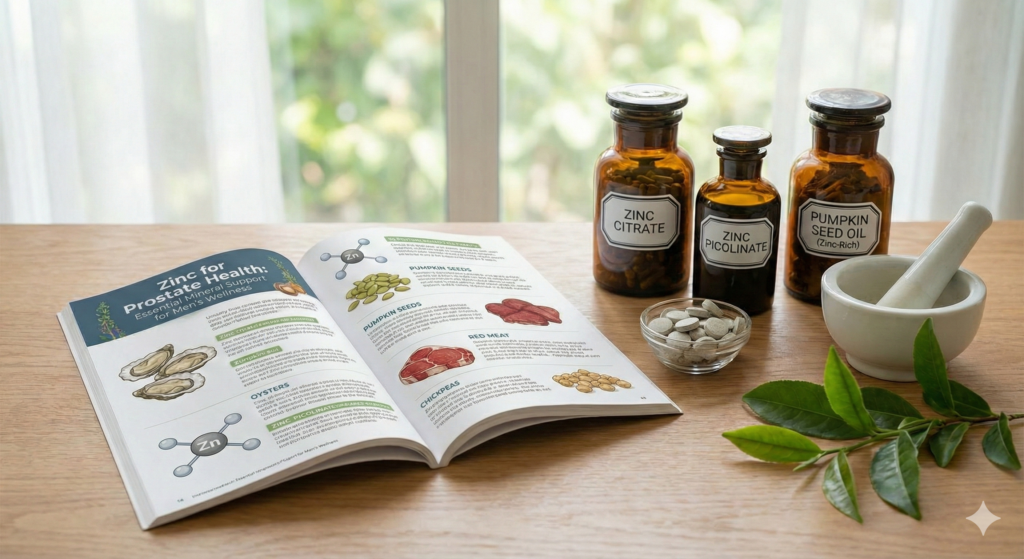
Oysters are the richest dietary source of zinc by far, with just 3 ounces providing 74 mg of zinc. However, most men don’t eat oysters regularly, making other sources more practical.
Red meat, particularly beef, provides substantial zinc along with protein and other nutrients. A 3-ounce serving of beef contains approximately 7 mg of zinc.
Poultry offers moderate zinc content with chicken and turkey providing 2-3 mg per serving. Dark meat contains slightly more zinc than white meat.
Shellfish including crab, lobster, and mussels are excellent zinc sources, with a 3-ounce serving typically providing 3-7 mg.
Legumes such as chickpeas, lentils, and beans contain zinc, though the presence of phytates reduces absorption somewhat. Soaking, sprouting, or fermenting legumes can improve zinc bioavailability.
Nuts and seeds, particularly pumpkin seeds, cashews, and hemp seeds, provide good amounts of zinc along with healthy fats and other beneficial compounds for prostate health.
Whole grains contain zinc, but like legumes, the phytate content reduces absorption. Choosing fortified cereals can increase zinc intake.
Enhancing Zinc Absorption from Foods
You can improve zinc absorption from plant-based sources through several strategies. Soaking beans, grains, and seeds before cooking reduces phytate content. Choosing leavened bread products rather than unleavened varieties, as fermentation breaks down phytates. Including animal protein with meals containing plant-based zinc sources enhances absorption. Incorporating vitamin C-rich foods with zinc-containing meals may improve uptake.
Special Considerations for Different Groups
Vegetarians and Vegans
Men following plant-based diets face increased risk of zinc deficiency because plant foods contain less zinc than animal products and phytates in plant foods reduce absorption. Vegetarians and vegans concerned about prostate health should pay particular attention to zinc status.
Consider having zinc levels tested periodically and may need higher supplemental doses (perhaps 50% more) than omnivores to achieve similar tissue levels. Focus on zinc-rich plant foods like legumes, nuts, and seeds and use food preparation methods that reduce phytate content.
Men with Digestive Disorders
Conditions affecting the digestive system can significantly impair zinc absorption. Men with Crohn’s disease, ulcerative colitis, celiac disease, or who have had gastric bypass surgery are at particularly high risk for zinc deficiency.
These individuals should work closely with healthcare providers to monitor zinc status and determine appropriate supplementation strategies. Chelated forms of zinc like zinc glycinate may be better tolerated and absorbed in the presence of digestive disorders.
Older Men
Zinc absorption efficiency typically declines with age, while the importance of maintaining prostate health increases. Men over 60 should be particularly attentive to zinc intake through both diet and supplementation.
Regular monitoring of zinc status becomes increasingly important in later decades, especially for men taking multiple medications that might affect mineral absorption or status.
Monitoring Your Zinc Status
While you can supplement zinc based on general recommendations, testing provides valuable information about your individual needs and ensures you’re neither deficient nor consuming excessive amounts.
Testing Options
Serum zinc testing measures the zinc concentration in blood and provides a snapshot of recent zinc intake and status. However, serum levels don’t always accurately reflect tissue zinc stores.
Red blood cell zinc testing may provide better information about longer-term zinc status than serum testing alone.
Zinc taste tests offer a functional assessment where you taste a zinc solution and your taste response indicates relative zinc status. While not as precise as blood testing, this can provide useful information.
Hair mineral analysis shows long-term mineral status but can be affected by external contamination and should be interpreted carefully.
Your healthcare provider can help determine which testing approach makes sense for your situation and interpret results in the context of your overall health and prostate symptoms.
Integrating Zinc into a Comprehensive Prostate Health Strategy
Zinc supplementation works best as part of a holistic approach to prostate wellness that includes multiple supportive strategies.
Complementary Lifestyle Factors
Maintain a prostate-healthy diet rich in vegetables, fruits, healthy fats, and lean proteins. Stay physically active with regular exercise that supports healthy weight and hormonal balance. Manage stress through meditation, yoga, or other relaxation techniques. Ensure adequate sleep, as poor sleep disrupts hormonal regulation and immune function. Limit alcohol consumption and avoid smoking, both of which can affect prostate health.
Regular Medical Monitoring
Natural approaches including zinc supplementation should complement, not replace, appropriate medical care. Men over 50 should have regular prostate screenings including PSA testing and digital rectal exams as recommended by their healthcare providers.
Discuss your supplementation strategy with your doctor, especially if you’re taking medications or have existing health conditions. Regular monitoring ensures that problems are detected early when they’re most treatable.
Conclusion
Zinc stands out as one of the most important nutrients for prostate health, with unique roles that cannot be adequately fulfilled by other minerals or compounds. The prostate’s remarkable concentration of zinc reflects this mineral’s critical importance to normal gland function, hormone metabolism, immune defense, and cellular regulation.
For men concerned about maintaining prostate wellness throughout life, ensuring optimal zinc status through a combination of zinc-rich foods and appropriate supplementation offers a science-based strategy with substantial supporting evidence. While zinc alone cannot guarantee prostate health, it provides essential nutritional support that works synergistically with other healthy lifestyle practices.
The key to success with zinc supplementation lies in choosing high-quality, bioavailable forms, taking appropriate doses that balance effectiveness with safety, maintaining proper balance with copper and other minerals, and integrating zinc into a comprehensive approach to prostate wellness that includes diet, exercise, stress management, and regular medical monitoring.
By understanding zinc’s multifaceted roles in prostate health and implementing an informed supplementation strategy, men can take proactive steps to support this vital gland and maintain the urinary comfort and quality of life they deserve throughout all stages of life.

Sanjay Singh is an affiliate marketer and health product researcher with over three years of experience evaluating supplements, wellness tools, and natural health solutions. He spends his time analyzing ingredient profiles, studying customer feedback, and separating genuine products from marketing hype. His goal is to help readers make informed, confident choices for their health—without the guesswork.
Pingback: ProstaVive vs. ProstaGenix: Which Prostate Supplement Works Better? - prostatesupplementsbest.com